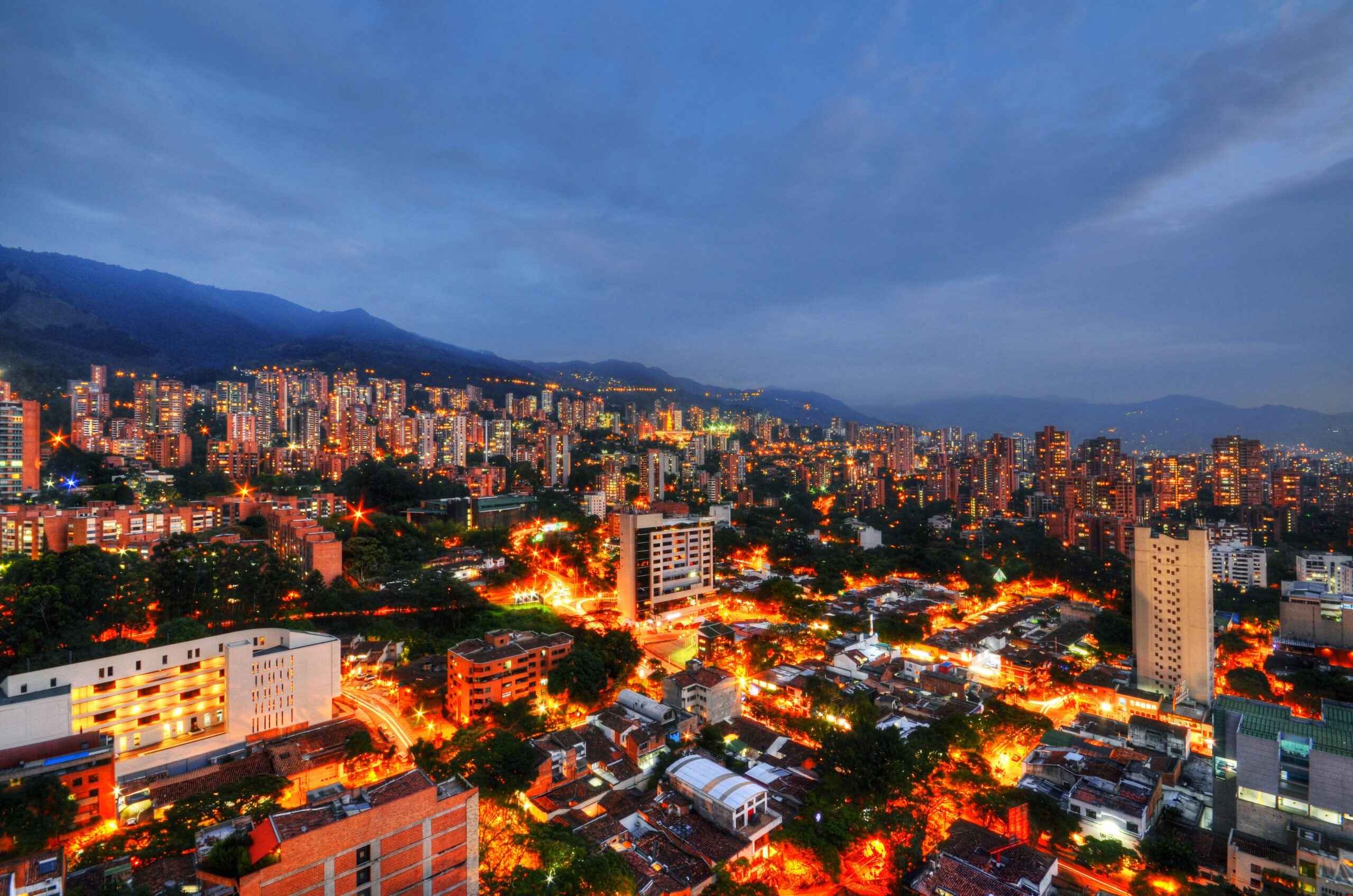
Medellín vs Cali: a Comprehensive Comparison
Medellín vs Cali, which is the better city to live in? The city of eternal spring vs the Salsa capital of Colombia.
I have seen some comparisons of Medellín vs Cali but in every case they are missing several points or have a bias.
Many expats I have met prefer Medellín, while some expats prefer Cali. I have lived in Medellín for well over six years but I have traveled to Cali a few times for both business and pleasure.
Both cities have their pros and cons and this comparison comprehensively compares these two cities in Colombia in 13 categories, in no particular order.
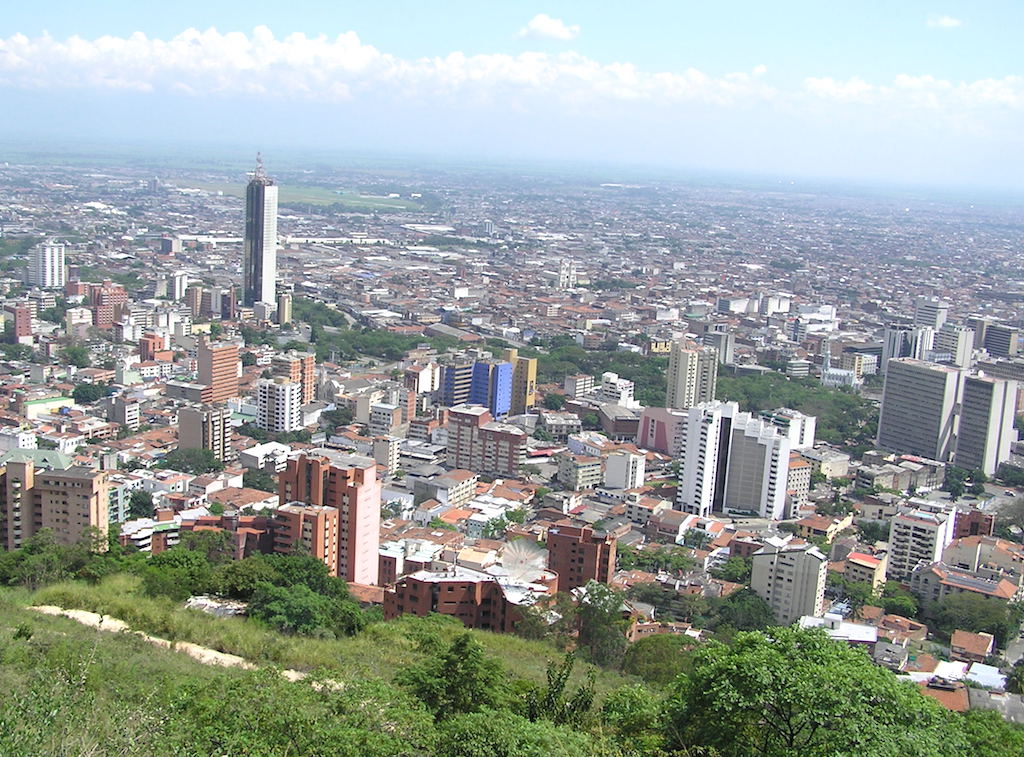
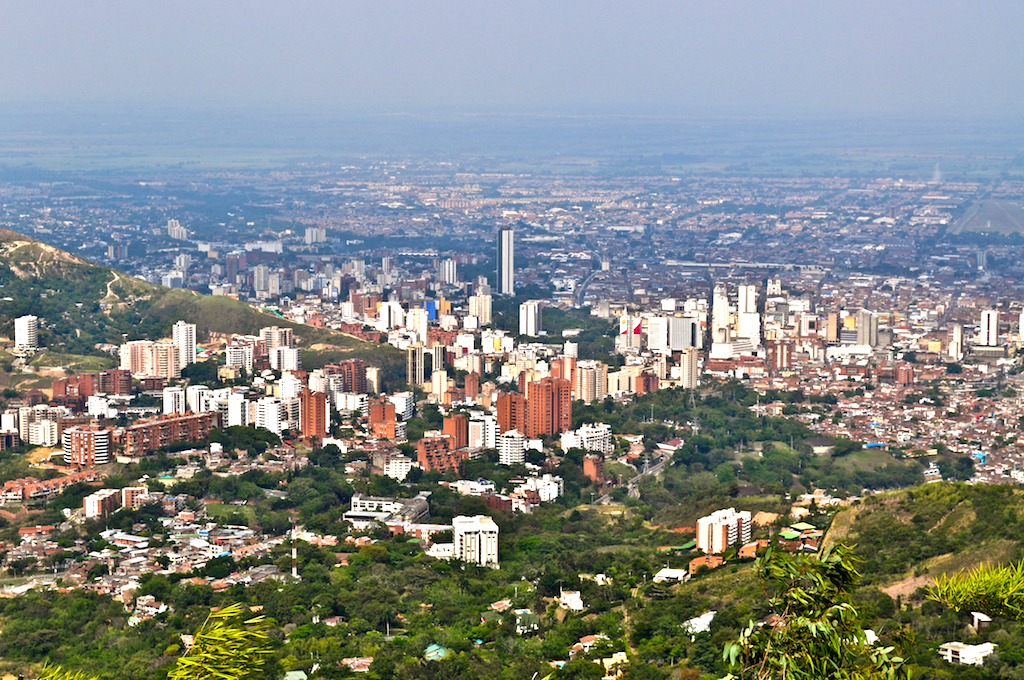
Note in this Medellín vs Cali article we only include photos of Cali as this website already has countless photos of Medellín. The above photo of Cali is by C Arango.
We previously compared on this site:
- Medellín vs Panama City,
- Medellín vs Lima,
- Medellín vs Cuenca,
- Medellín vs Costa Rica,
- Bogotá vs Medellín,
- Medellín vs Pereira and
- Medellín vs Cartagena.
1. Climate
Medellín edges out Cali here. The average temperature during the year in Medellín is 72 ° F (22 °C). Medellín is known as “La Ciudad de la Eterna Primavera”, or the city of eternal spring. While in Cali the average annual temperature is 75 ° F (23.9 °C).
In Medellín, the average daily high temperature ranges from 81.0 to 82.8 °F (27.0 to 28.2 °C) and the average daily low ranges from 61.7 to 63.3 °F (16.5 to 17.4 °C).
While In Cali, the average daily high temperature is warmer and ranges from 84 to 86.4 °F (28.9 to 30.2 °C) and the average daily low ranges from 65.1 to 66.6 °F (18.4 to 19.2 °C). In my experience in Cali it can fairly frequently get above 90 °F (32.2 °C) as the high.
In Medellín, the average humidity for each month ranges from 63 percent to 73 percent. The annual average humidity in Medellín is 68 percent.
In Medellín there is only one month out of the year (October) that typically has over 210 mm (over 8 inches) of rain. But Medellín has 10 months out of the year with over 100 mm of rain (3.9 inches).
While in Cali, the average humidity for each month ranges from 71 percent to 76 percent. The annual average humidity in Cali is 74 percent. So it’s more humid in Cali, which gives it more of a tropical feel.
But it rains less in Cali with every month except for April, October and November typically having less than 100 mm (3.9 inches) of rain.
In Medellín you can survive without air-conditioning with its cooler climate. However in Cali, since it has higher daily high temperatures, air-conditioning will be needed during the day by most expats.
Cali could possibly be called a city of eternal summer. But some expats may prefer the warmer climate in Cali. This is a personal preference.
2. Cost of Living
Cali wins here. Similar properties I have seen in Cali in estrato 5 or 6 neighborhoods tend to rent for or sell for at least 10-25 percent lower prices than in Medellín.
Properties in lower estratos tend to have lower prices differences between the cities but in general are more expensive in Medellín.
Other costs like groceries, restaurants and other things tend to be at least 5-10 percent cheaper in Cali in comparison to Medellín.
The Numbeo website confirms that the cost of living in Cali is lower than in Medellín.
One category that will typically be higher cost in Cali is electricity services due to the need for air-conditioning. But in general Medellín is a more expensive place to live than Cali.
3. Safety
Medellín wins here. Medellín ranked much higher than Cali in a recent survey of 12,548 in Colombia in terms of citizens feeling safe in their barrio and city.
In this study (slide 41) citizens felt the safest in their barrio in Medellín with 75 percent of respondents feeling safe, while only 49 percent of respondents in Cali felt safe in their barrio.
In terms of feeling safe in their city (slide 40), Cali was ranked one of the worst of the cities surveyed with 30 percent of respondents in Cali feeling safe in their city. This compares to 45 percent feeling safe in their city in Medellín.
Over the past couple years Medellín has experienced a homicide rate that is lower than is found in St. Louis, Baltimore, Detroit or New Orleans in the U.S. Medellín has dropped off of the list of the 50 most dangerous cities in the world a couple years ago based on homicide rates.
But Cali remains on the world’s most dangerous city list with a homicide rate of 64.27 in 2015. The homicide rate in Medellín is now about one-third of the rate in Cali.
4. Restaurants and Nightlife
Medellín wins here. Medellín is a somewhat bigger city with a metro population of over 3.7 million and it receives more tourists so it has more restaurant and nightlife options.
In comparison, Cali has a metro population of about 3.4 million. Medellín has many restaurant options that have been covered on this website while Cali has fewer restaurant options.
TripAdvisor lists over 950 restaurants in Medellín. In Cali, TripAdvisor lists less than 625 restaurants. Since TripAdvisor lists over 300 more restaurants in Medellín compared to Cali, Medellín wins this category.
Medellín has many nightlife options that have been covered extensively on this website. Similar to restaurants, Cali has fewer nightlife options being a smaller city with fewer foreign tourists. However, Cali is known as the Salsa capital of Colombia so you can find more Salsa places in Cali than in Medellín.
5. Healthcare
Medellín wins here. Medellín has eight of the top 44 ranked hospitals in Latin America, while Cali only has two.
Here’s a list of the top ranked hospitals in both cities with their rankings in the top 44:
- Fundación Value del Lili – Cali – #3
- Hospital Pablo Tobín Uribe – Medellín – #9
- Centro Médico Imbanaco – Cali – #13
- Hospital Universitario de San Vicente Fundación – Medellín – #16
- Clinica Las Américas – Medellín – #20
- Hospital General de Medellín – Medellín – #29
- Clinica Universitaria Bolivariana – Medellín – #33
- Clinica Medellín – Medellin – #37
- Clinica El Rosario – Medellín – #41
- Clinica Cardio VID – Medellín – #42
Both cities have good healthcare options. But Medellín has more highly ranked hospitals than Cali so it wins this category. Being a bigger city, Medellín also has more medical and dental providers but they have more patients to care for.
6. Things To Do
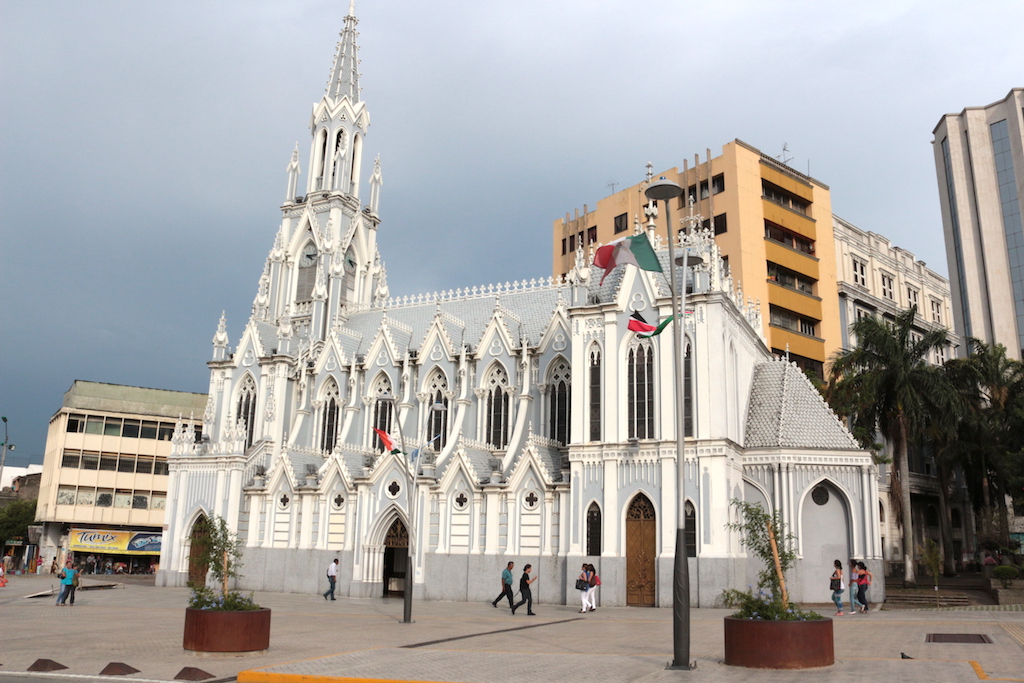
Medellín wins here. Both cities have many things to do in the city as well as many things to do nearby. But the bigger city of Medellín edges out Cali in this category.
While unscientific, TripAdvisor only has 109 things to do listed for Cali. In comparison TripAdvisor has 171 things to do listed for Medellín. And over 200 when you include the other municipalities in the metro area like Envigado and Sabaneta.
Both cities have many things to do in the city as well as many things to do nearby. Well over 120 things to do in and around Medellín have been covered on this website over the past several years.
Medellín has more shopping malls than are found in Cali. We have already covered over 15 malls in Medellín on this website.
The largest shopping mall in Cali is reportedly Centro Comerical Chipichape, which has about 200 shops. Santafé mall the largest in Medellín is larger and has over 380 shops.
Medellín also has more churches, more sights and more landmarks. The city of Medellín is also a more popular tourist location so there are more hotels, more hostels and more furnished apartments available in the city.
Medellín has several natural parks including the huge Parque Arví nature reserve covering 39,500 acres with 54 miles of walkable trails with activities like hiking, biking, jogging, horseback riding, picnicking and bird watching.
While Cali has Pance south of the city, which in some ways is a similar paradise for outdoors lover’s.
Both cities have festivals but Medellín’s 10-day La Feria de Las Flores (flower festival) is much larger and more impressive than Cali’s La Feria in my experience.
7. Pollution
Cali wins here. The World Health Organization (WHO) last year reported that Medellín was ranked #9 in a list of the 10 cities most polluted in Latin America.
Medellin is located in a canyon, with mountains surrounding the city, which do not allow easy dispersion of pollutants, so pollution tends to stay in the metropolitan area. But fairly regular rain in the city can clean the atmosphere.
In comparison, Cali has lower levels of pollution. However Medellín tends to be a cleaner city than Cali. Medellín is considered one of the cleanest cities in Latin America and you won’t see much litter.
8. Access to US, Europe and the rest of Latin America
Medellín wins here. Medellín’s José María Córdova airport (MDE) is the second largest airport in Colombia and it has non-stop flights to 12 international locations in the US, Europe and Latin America.
From Medellín you can fly non-stop to Fort Lauderdale, Miami and New York (JFK) in the U.S. From Medellín you can also fly non-stop to Madrid in Europe.
In addition from Medellín you can fly non-stop to Aruba, Curaçao, Lima, Maracaibo, Mexico City, Panama City, San Salvador and Valencia (plus seasonally to Punta Cana).
There are also many domestic Colombia flights available from Medellín as the city has two airports: the international José María Córdova airport and the domestic Olaya Herrera airport (EOH). From Medellín’s two airports you can fly non-stop to over 30 cities in Colombia.
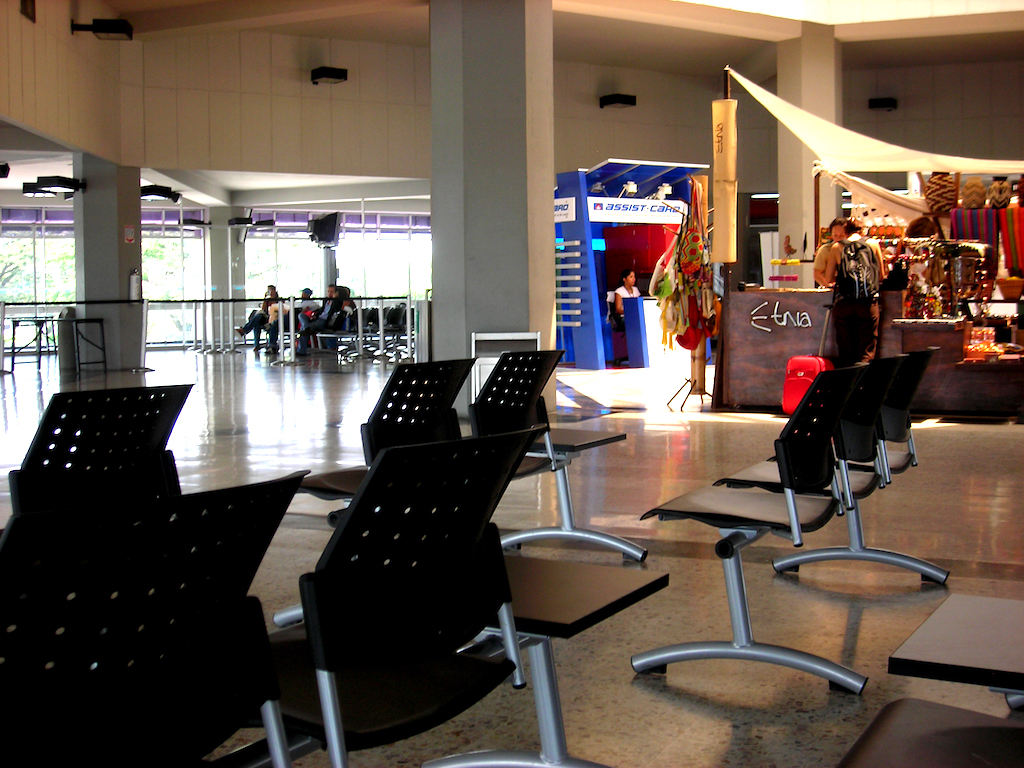
Alfonso Bonilla Aragón International Airport in Cali only has non-stop flights to eight international locations in the U.S., Europe and Latin America.
From Cali you can fly non-stop only to Miami in the U.S. You can also fly non-stop to Madrid in Europe and non-stop to Esmeraldas, Guayaquil, Lima, Panama City, Quito and San Salvador in Latin America.
Avianca has a flight from Cali to New York JFK but it stops first in Medellín. There is also a KLM flight from Cali to Amsterdam that first stops first in Bogotá but this ends service on March 25, 2017. There are non-stop flights from Cali to only nine cities in Colombia.

9. Public Transportation
Medellín wins here. Medellín has an extensive metro system with integrated metro trains, a new tram, buses and four cable car lines. The Medellín metro is spotlessly clean, easy to use and inexpensive.
Medellín’s metro system has been in place for 20 years, while Cali still wishes for a metro system.
Cali has its elongated MIO bus system that everyone I have talked to in Cali seems to hate. The Metrocali MIO bus system is popular but is inferior in every way to Medellín’s metro system. Metrocali also has one MIO Cable car line.
Both cities have extensive bus routes but the buses seem somewhat easier to me to navigate in Medellín.
10. Traffic
I give Cali a definite edge here. My impression is that traffic is Medellín is generally worse than in Cali due to it being a bigger city with more cars on the roads.
A survey by Waze last year rated Medellín one of the worst cities in Latin America in terms of traffic.
While the traffic can get pretty bad in Medellín, the worst traffic is primarily found in the El Poblado and Envigado neighborhoods in my experience and as I have seen on the Waze app.
Traffic is not as widespread of a problem in Cali compared to the traffic issues found in Medellín. But Medellín doesn’t necessarily have the worst traffic in Latin America. In my experience the much bigger cities of São Paulo and Mexico City can have worse traffic.
11. Job Opportunities
Medellín arguably wins here. Medellín is a bigger city so there are more job opportunities in Medellín in comparison to Cali.
But there still aren’t a lot of work opportunities for foreigners even in Medellín, especially if you don’t speak Spanish fluently. The best jobs in Colombia typically require fluency in Spanish.
While there are English teaching job opportunities in both cities if you are a native English speaker, competition is fierce and the pay isn’t the greatest. There are more English teaching jobs available in the bigger city of Medellín.
The unemployment rate in Cali tends to be a bit lower than is found in Medellín.
12. Education Options
Medellín wins here. Medellín has more university choices and more Spanish language programs as well as more bilingual schools for children.
As the bigger city, Medellín is home to over 30 universities while Cali has fewer universities.
With a bigger expat population Medellín has more Spanish language programs available than in Cali. Universidad EAFIT located in Medellín is reportedly the largest Spanish language program for foreigners in Colombia.
I am aware of three English/Spanish bilingual schools for children in Medellín (Columbus, Montessori and The New School). Cali only has one bilingual English/Spanish school that I’m aware of: Colegio Bolivar.
13. Expat Community
Medellín wins here. Medellín has a much bigger expat community than is found in Cali that speaks English.
The total country of Colombia has 18,841 expats from the U.S. and 2,222 expats from the UK and Canada living in Colombia according to International Organization of Migration.
However, the majority of expats living in Colombia are found in Bogotá, the capital and largest city in Colombia.
I have seen no official statistics for Medellín or Cali. But I would estimate there likely are less than 3,000 expats from North America and Europe living full-time in Medellín.
There is a much smaller expat community in Cali as it is more off the beaten path. From what I have seen there probably are only a few hundred expats living in Cali.
Medellín is an emerging expat location and it is definitely becoming more discovered and has a growing expat community. Having lived in Medellín for over six years I see more expats in the city each year.
Some will view having fewer expats as a benefit but as a result there is less of a support structure for new expats moving to the city of Cali when compared to Medellín.
The Bottom Line: Medellín vs Cali
In our Medellín vs Cali comparison, Medellín beats out Cali in 10 of our 13 categories; Cali beats out Medellín in only three categories and the two cities don’t tie in any categories.
So the end result in this somewhat subjective Medellín vs Cali comparison of 13 categories is that Medellín easily wins if the categories are equally weighted.
Some expats may disagree but Cali really doesn’t compare well in my opinion. The biggest thing Cali has going for it is its lower cost of living.
But to each his own and to really determine which city is best for you to live depends on which categories are more important to you with a higher weighting for more important categories.
For example, if a springtime climate, good healthcare and good public transportation were most important, Medellín would win. If cost of living, avoiding traffic and less pollution were your most important categories, Cali would win.
The only way to know which city is better is to spend time in both. I have spent time in both cities and both have their pros and cons. Neither city is ideal.
I prefer to live in Medellín due to the good climate, good public transportation, good healthcare as well as a bigger selection of restaurants and things to do.
At the end of the day — there’s no “best place to live”. There’s only the best place for you to live. One man’s paradise is another man’s hell.
And that’s why we suggest living in a foreign city for six months to a year before committing. Only then can you determine if a foreign city is right for you.