Leticia and the Colombian Amazon
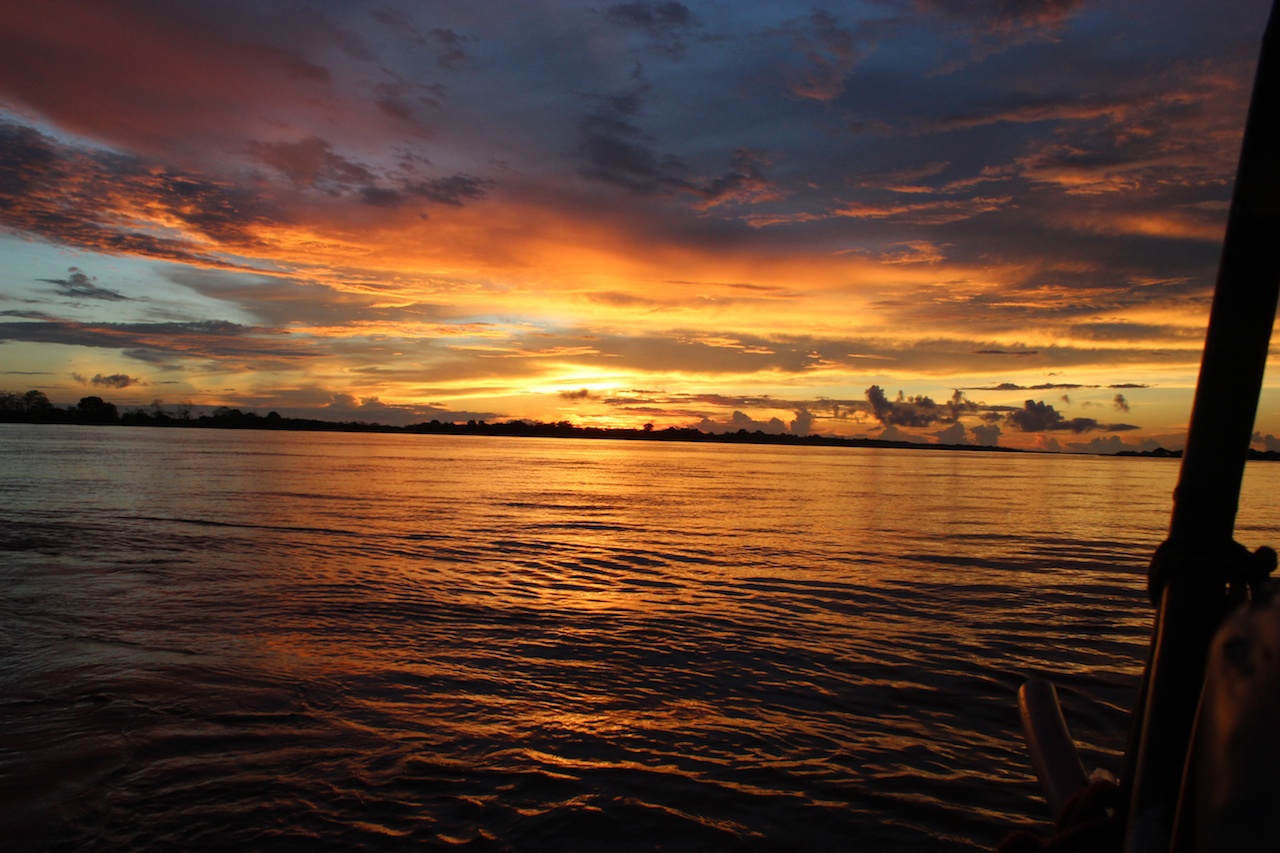
While I was in Rio de Janeiro planning the last two months of my backpacking trip, I had to decide if I wanted to fly direct from Rio de Janeiro to Colombia, or if I should explore the Brazilian Amazon first, and cross the border from Brazil into Colombia on foot.
I ended up flying to Manaus, then flying from Manaus to a small Brazilian town called Tabatinga that is on the border of both Colombia and Peru. From here you can cross the border on foot into the Colombian frontier town of Leticia.
The main reason I did this is to save money. As you may or may not know, international flights within South America are extremely expensive.
For example, my buddy looking for flights from Bogotá to Lima found that one way flights were upwards of $350.
My flight from Manaus to Tabatinga was only $70, and then once you’re in Colombia, you’re in!
Domestic flights with discount airlines in Colombia are dirt-cheap (almost always between $30-$80 per leg, with tax).
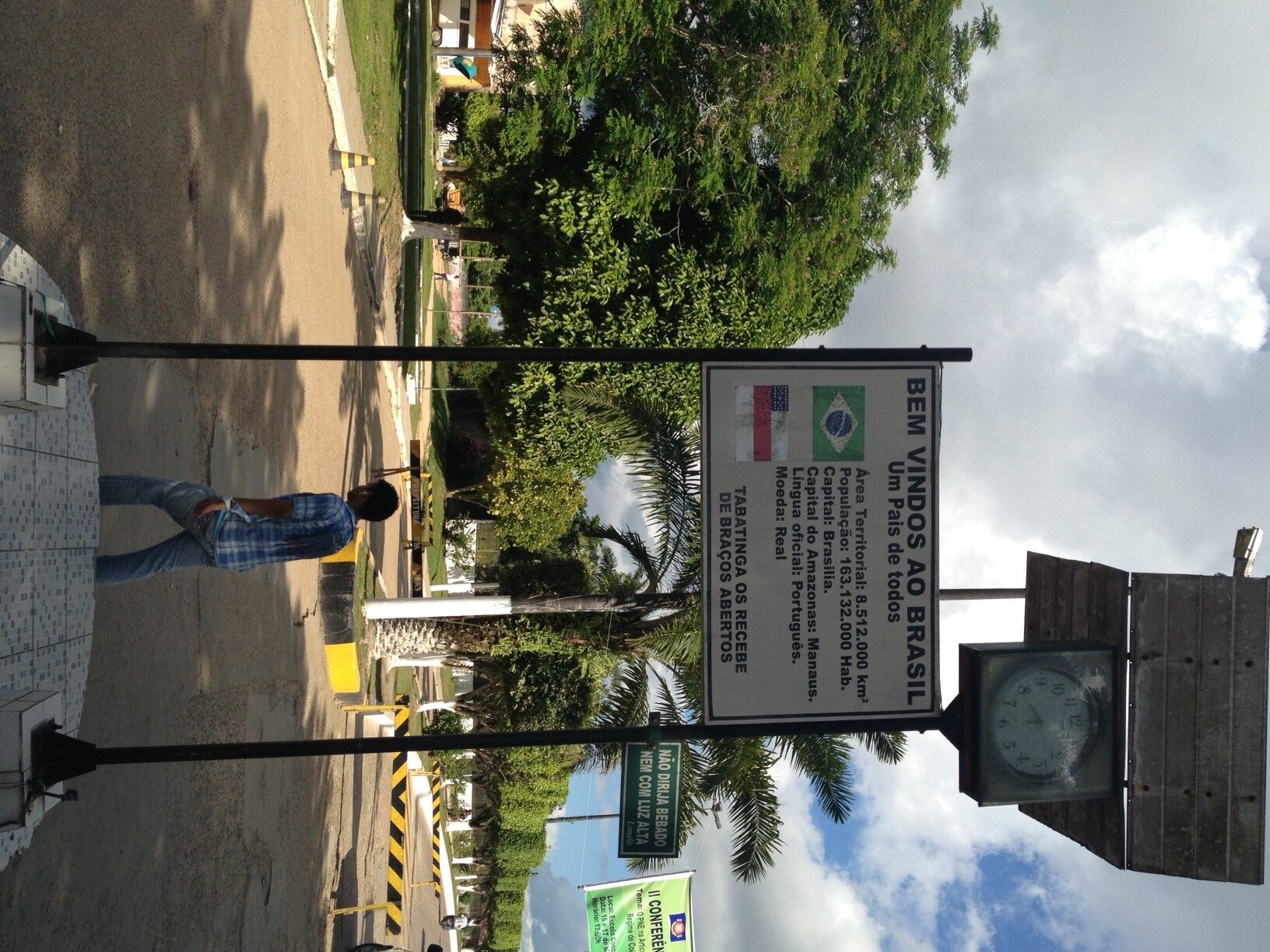
Tabatinga, Brazil to Leticia, Colombia
So with tickets booked, I headed out on a small propeller plane for the 2-hour flight from Manaus to Tabatinga. I figured this was the first time in history a gringo was flying to this area. I was most definitely wrong, as we’ll later see.
As expected in all South American border towns (where smuggling and trafficking are always a problem), security was airtight and everybody was questioned at baggage claim with people having their bags arbitrarily searched.
I always wondered if people in border towns speak a mix of Portuguese and Spanish as fabled in this non-sense Wikipedia article.
What really shocked me was how clearly defined the two cultures were.
After my taxi stopped by the police station to get my exit-stamp on my passport, I had my face glued to the window for any signs that we crossed the border.
Crossing the Border into Colombia … ON FOOT!
After a few minutes, my taxi reached the virtually unmarked border.
The only thing marking the border was two stoned-looking Colombian policemen, and a small plaque that could easily be missed.
Although the border was barely marked, you could tell when your taxi crossed.
Suddenly the sounds of Forro (Brazilian country music) instantly changed to Cumbia and Reggeaton.
All the signs changed instantly changed from Portuguese to Spanish.
Even the faces of the people looked very different. Some people on the Brazilian side spoke a little Spanish, but nobody on the Spanish side spoke any Portuguese, and my taxi driver explained that people usually didn’t cross over from one side to the other (there goes the fabeled Portuñol myth I was looking for.
The Town of Leticia: A Calm, Safe, albeit Boring Town
There were two things that shocked me (in a good way) about Leticia:
First of all security around town was airtight. Since this area sits in the Amazon right along the border of Brazil, Colombia, and Peru I figured smuggling, trafficking and all the things that South America’s other tri-border regions (such as Ciudad del Este) are famous for would also be a problem here.
I learned that the region itself, particularly the Colombian part of the Amazon, is teeming with Guerillas but the town of Leticia and the surrounding attractions are very safe thanks to a historically strong police and military presence on all three sides of the border that have kept the area safe to visit even when the rest of Colombia was very dangerous 10-15 years ago.
Nevertheless, I wouldn’t recommend anyone go on an unguided tour of the Colombian Amazon unless they have a well thought out Will written out.
The second thing that surprised me about Leticia is there are actually quite a few travelers and a little bit of a tourist infrastructure catering almost exclusively to backpackers.
This part of South America is one of the most isolated regions, with the Amazon River being the only physical connection to the outside world.
Nevertheless, I wasn’t the only backpacker who realized you could save tons of money by crossing any of the borders on foot from/to Peru, Colombia, or Brazil.
Eventually it must’ve become quite clear that some backpackers wanted to stay a few days in this nondescript border town (hey, why not?!), and sure enough hostels and eco-tourism travel agencies began to form part of the economy of this small 50,000-person town.
Leticia: Nice for One Day
So, after crossing the border, my taxi dropped me off at the friendly La Jagada Hostel where I had a very nice stay.
I quickly realized that there really isn’t anything to do in Leticia other than snatching a picture on the border of Brazil.
The main nature attractions in the area need to be booked through a tour (as said earlier, unguided nature hikes in this area are not a good idea).
I decided I would spend one night relaxing in Leticia, and then would book a tour through my hostel.
Dinner was interesting, as I went out with a group from my hostel and we ended up paying for dinner in a combination of Reales, Colombian Pesos, Peruvian Soles and US Dollars (I kid you not, I wished I snatched a picture of this).
In terms of nightlife, there are a few bars and clubs, but they always seemed dead, even on the weekends.
2-Day Stay at Mocagua Indiginous Village
My hostel had quite a few connections with various indigenous villages in the region, and I decided to book a stay at one of these villages.
I had decided not to book such a tour in Manaus, Brazil as I had heard plenty of rumors how the “indigenous people” on the tours in Manaus are actually actors.
Manaus is a victim of it’s own success in a sense that Amazon rainforest tourism in this isolated city of over two million people is so well-built that it has a really lost some of the authenticity that somebody may want when heading into the Amazon.
You don’t have to worry about that in Leticia, you are smack dab in the middle of nowhere, no actors or overly built tourism industry here!
The hostel owner, Alejandra, called up my host family and they told me they would be ready for me the next day.
I spent the rest of the night mentally preparing myself for the mosquito onslaught the next two days.
Journey Up The Amazon River
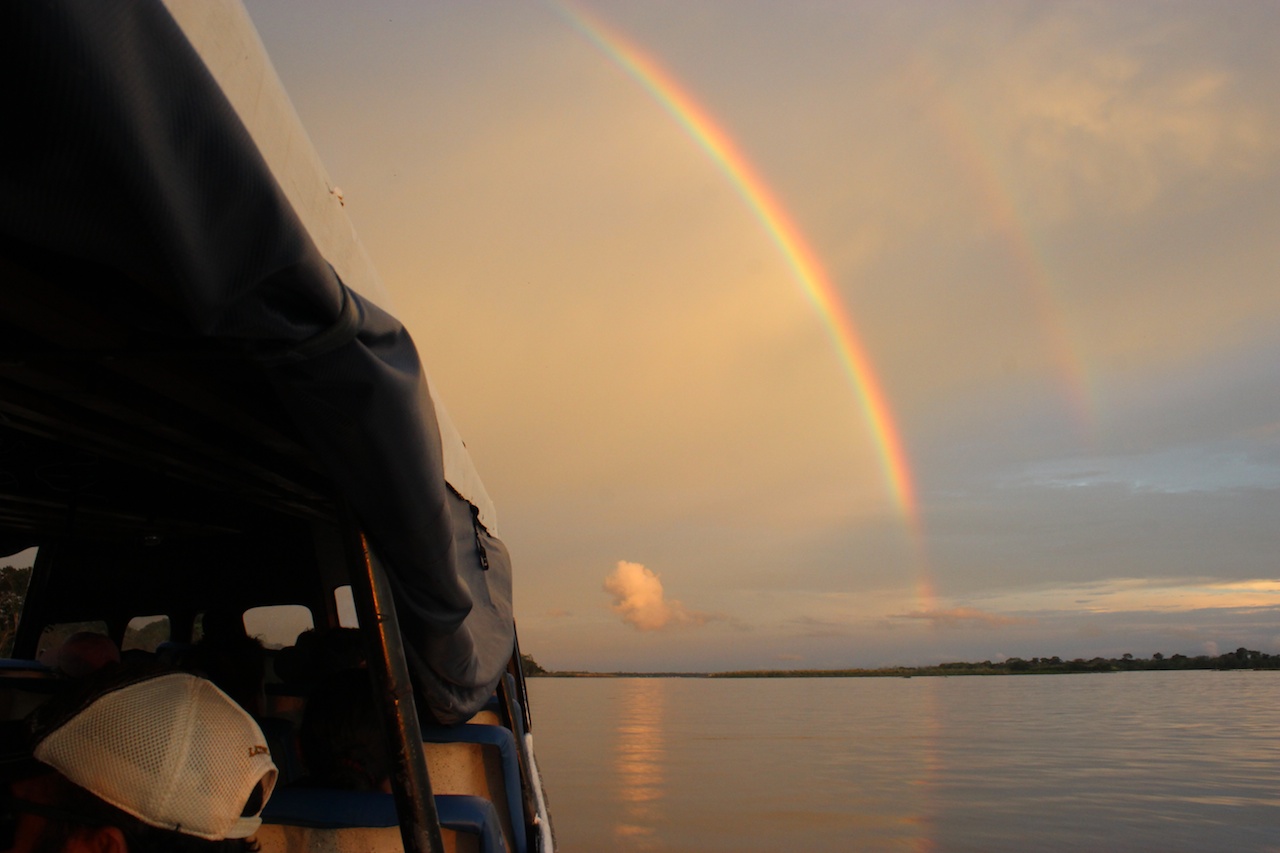
The next day I was escorted to a small speedboat, where I was most definitely the only tourist.
Everyone else on the boat was a local from all the villages along the Amazon River. They were all heading back to their small villages with food and supplies from town for themselves and their villages.
The boat would stop every 15 minutes or so at designated stops in Peru (the left side of the river) and Colombia (the right side of the river).
I didn’t have any ticket or any idea where I was going.
I would later find out the driver already knew exactly where to leave me but after two hours on the boat, I started wondering if this boat was just going to keep sailing to the end of the river, and into the Pacific Ocean!
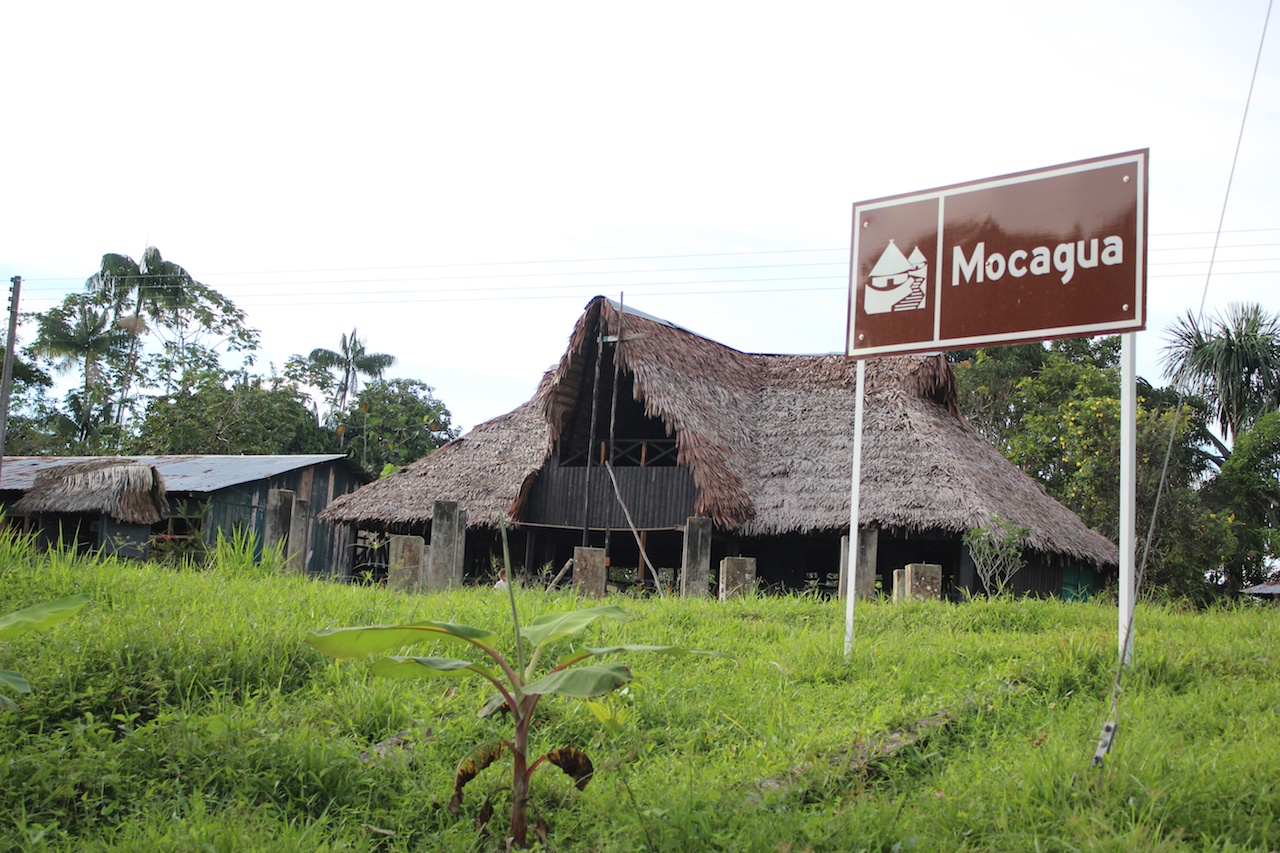
Luckily that didn’t happen and I was dropped off at the village of Mocagua where my host and guide, Clinton and his family, were waiting for me.
Arriving at the Village
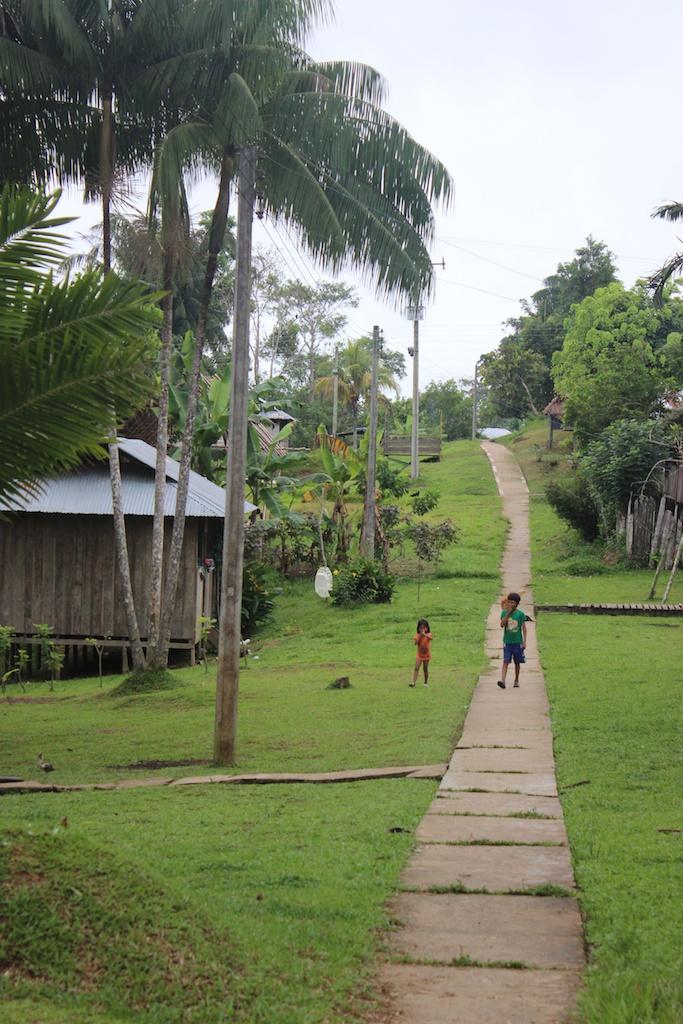
As I walked past the dock and into the town, I found myself in a swarm of children running around as school was just getting out.
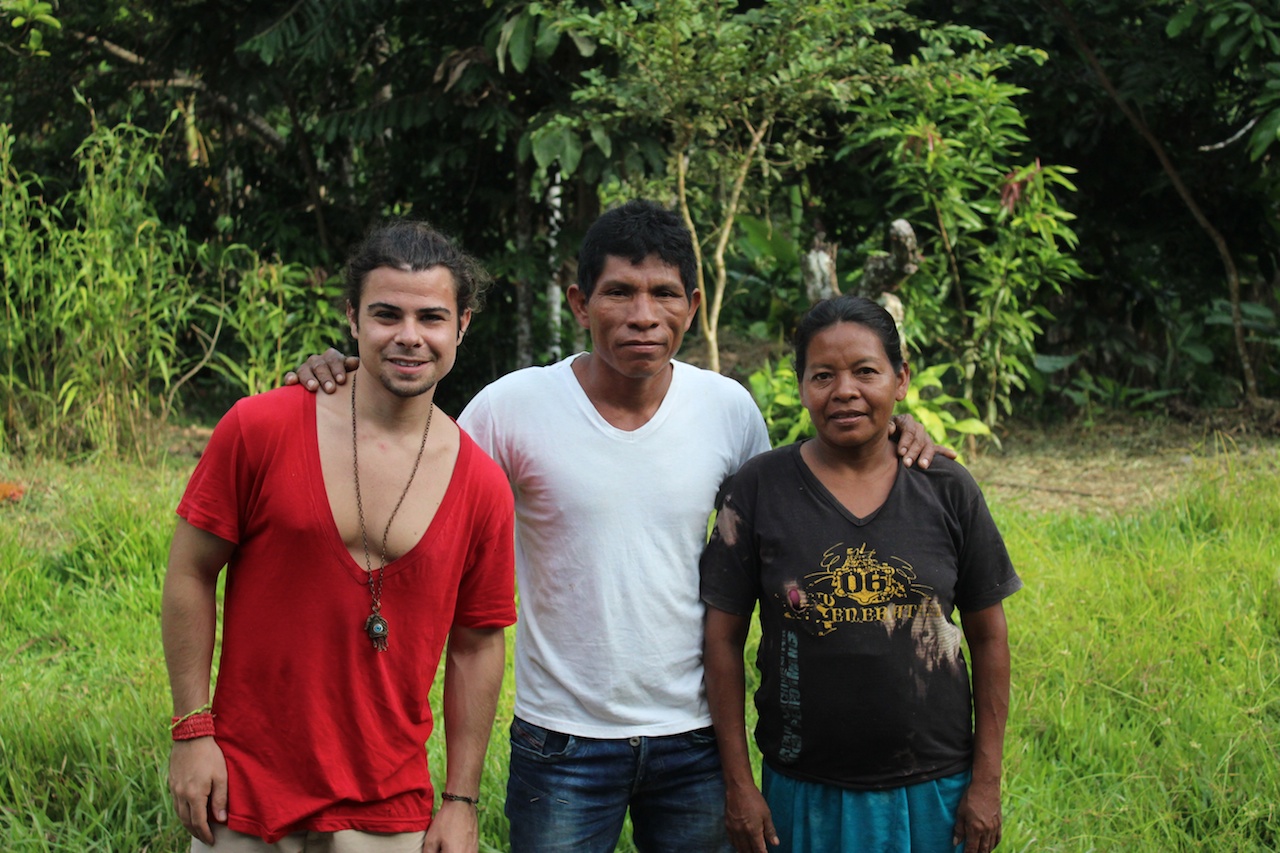
After they made me a small snack, they led me to my cabin. I quickly realized I was the only guest in town.
I also noticed that they were extremely deferent to me, speaking to me in a formal 3rd person Spanish that I’ve really only seen in old literature.
It made me wonder if the 150,000 peso ($75) donation I made for the privilege of staying there made such a huge difference, or whether it was part of their culture to be so deferent to guests.
Experience in the Mocagua Village
My original plan for this backpacking trip when I was in the far North of Brazil was to continue pushing west on Brazil’s north-facing coast until reaching the Amazon Rainforest via the city of Belem on the Atlantic coast, and then float down the river, stopping in Santarem before reaching Manaus.
However, after consulting my friend Luciano who has motorbiked all of South America, I decided to fly back to Rio from Fortaleza and chill there for two months, and fly straight to Manaus, and then Leticia later on.
The main reason?
He told me “basically the touristy activities in every city in the Amazon are pretty similar.”
At first I thought the comments came off as a bit narrow-minded, but as I came to find out, he was just being dead honest.
In every trip to the Amazon region your time will be split doing four things, regardless of which nearby city you choose to have as a base:
- Wildlife spotting and trekking in a dry-forest
- Wildlife spotting and trekking in a canoe or small boat in a flooded forest
- Looking for sightings of pink dolphins in the Amazon River
- Fishing in the Amazon River and then cooking the catch
Despite the fact the activities I did in the Mocagua village were almost the same as I did in the jungle tour in Brazil, the experience in Colombia was completely different and felt more authentic because of the people.
In Manaus, most of the tours are run by people who live in the large city of Manaus and even out in the jungle lodges you miss out on seeing the way indigenous people live in the Amazon.
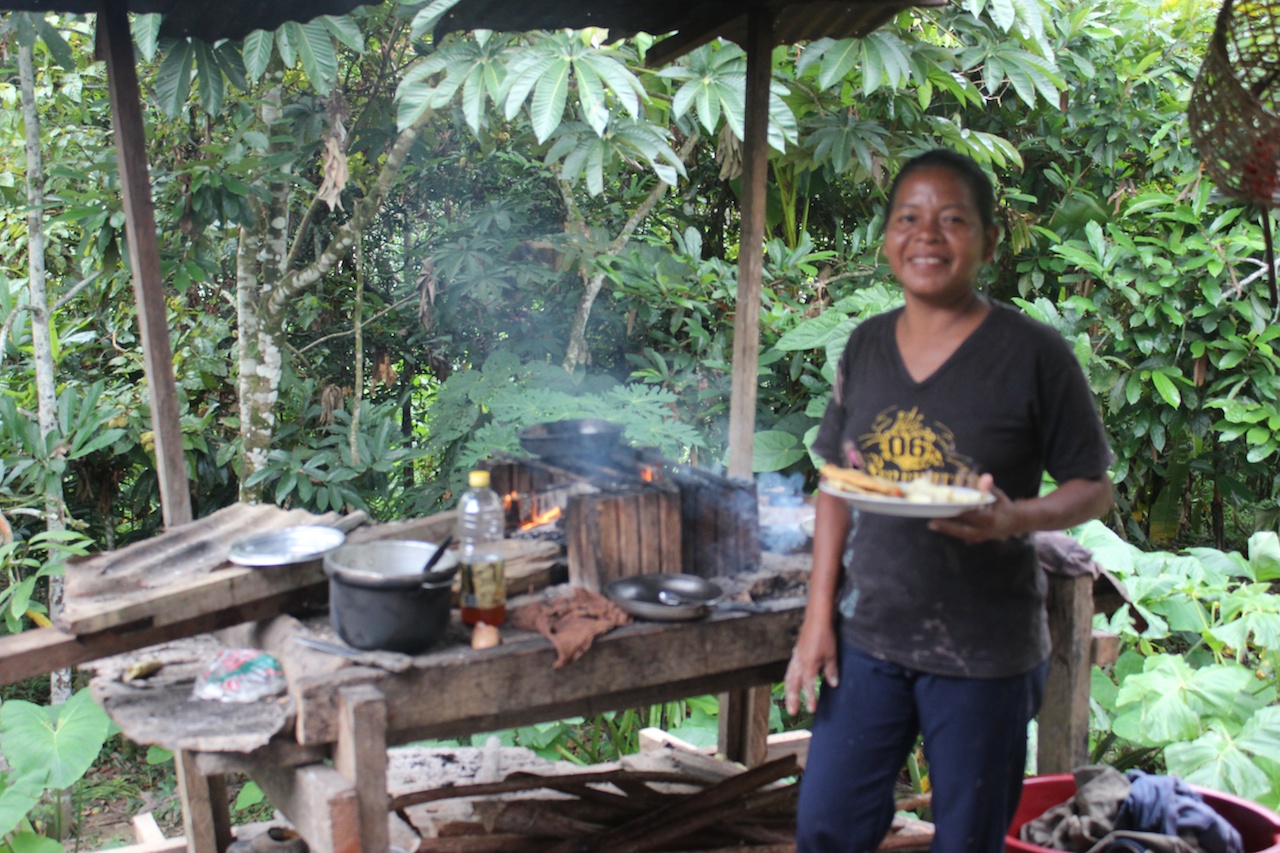
In Mocagua, I wasn’t on a “tour” I was just spending two days hanging out with a village that truly lives off the Earth.
Everything I ate was either fished or harvested off the land.
They told me out of 90 meals a month, anywhere between 87 and 88 of the meals are fish-based, with chicken or beef being a treat eaten once or twice a month.
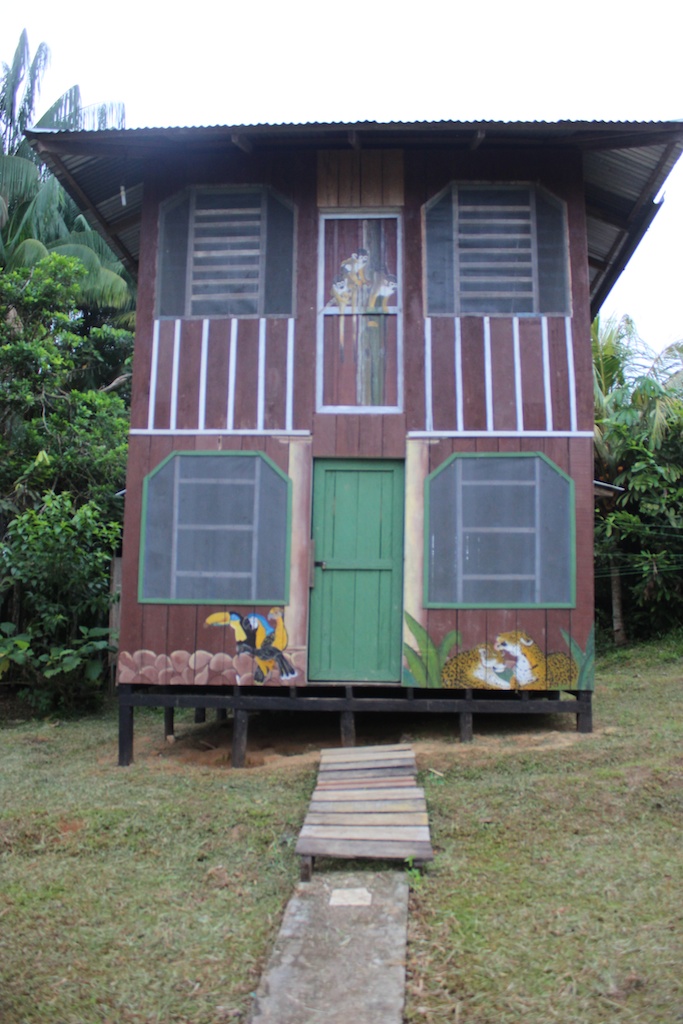
There was no running water; electricity came only four hours a day from a generator.
The only sign of technology was an occasional cell phone, but most people did not have one. Everyone there was living pretty much the same way their ancestors lived hundreds of years ago.
So the activities were the same as in Manaus, but the experience was profoundly different from staying with people from the city in a jungle lodge with electricity and running water. I felt this was the real deal.
Takeaways for Backpacking in South America
When someone says the word “The Amazon” they almost immediately think of Brazil, but you should deeply consider visiting the Colombian side instead.
If you’re already in Colombia, visiting the Colombian Amazon by flying to Leticia is a much cheaper and authentic alternative than visiting Manuas and other larger cities in Brazil’s Amazon basin.
If your itinerary is a bit tight on time, visiting Leticia and some of the surrounding villages is a great way to get a good taste of the Amazon without having to worry about getting a Brazilian visa or leave Colombia.
Leticia and its surrounding areas are perfectly safe to visit and a great way to save money by crossing from one country to another on foot, thereby avoiding international landing taxes that oftentimes cost much more than the ticket itself.
Have you been to the Colombian Amazon? Share your experience in the Comments below.
_________
About the Author: Freddy Lansky is a managing partner for RITE media group, a video and music production company based in in Atlanta. He also runs a Chess Shop and works in the Brazilian tourism industry in the winter time.