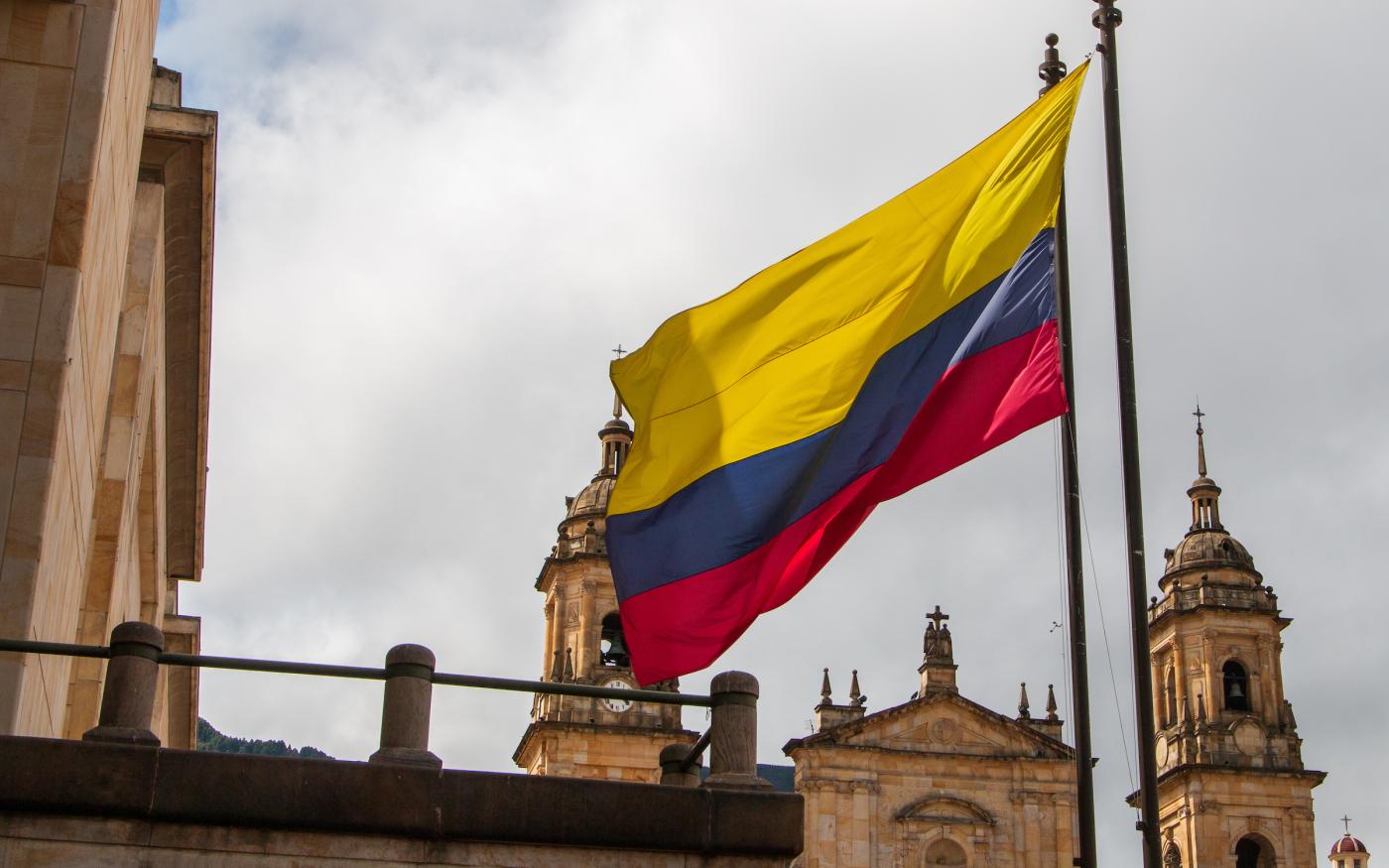
Narcos: A Colombian Perspective on the New Netflix Series
Editor’s Note: There are no spoilers in this review.
I’m glad I was outside the country for the premiere of Netflix’s Narcos; it gave me the opportunity to see how the reactions have changed when I mention I’m Colombian.
Before, it was always an “ooh, how exotic,” or “you don’t sound Colombian” or a conversation about coffee would spark up, among questions about what I’m doing in Canada. It was an ice-breaker. (I’m sure cocaine questions were sometimes left out on purpose, but often thought of).
After the premiere of Narcos, both my partner and I noticed that the spark has been immediate. A twinkle in our new acquaintance’s eye lit up: “You’re Colombian (Or living in Colombia)? I’m watching Narcos!” As if one thing apparently was linked to the other.
My family members from other countries are fed up with the references of the hit TV show and the connection everyone makes to us as citizens of Colombia. Since knowing about it, until now, having watched it, I have been on a truly nauseating swirl of emotions.
I know some may not agree or like my opinion, and I’m open to hearing what you all liked and disliked about the series, or if you didn’t watch it at all, but here is my review.
Before Watching “Narcos”
My family is big on watching Colombian novelas -or Soap Operas- that air every night after the evening news. It’s a cultural thing, I think. Since I don’t own a television I don’t share this with them so from time to time I get updates on the latest novela and its characters.
During one break from school, I spent time in Manizales with my family and joined their ritual of novela watching while the Colombian version of the Pablo Escobar biography novela was running.
The hit series is entitled “Escobar: El Patrón del Mal,” literally translated The Master (Or Boss) of Evil, but the international title is “Escobar: The Drug Lord.” It is based on the novel by Alonso Salazar.
I was surprised by its faithfulness to the time, the logos were adapted, the hairstyles, types of glasses, clothing…etc.
The actor who played Pablo Escobar, Andrés Parra, from Cali, was perfect for it. He spent a great deal of time studying Escobar as a person, his body language, his expressions, his ambivalence between noble and cold-blooded, between family man and public enemy #1.
It was shot in HD and the acting was, in my opinion, better in than most novelas. It was enjoyable to watch and informative. I also found the music to be very melodramatic, as in all soap operas, but the casting was excellent. The actors and the production were Colombian.
So when I heard about the high-profile international cast and perspective from which Narcos was told, I was immediately turned off. I wanted nothing to do with it. The title itself gave me the heebie-jeebies, but I watched it for the sake of curiosity.
About The Hit Netflix Show
It starts with a quote:
“Magical Realism is defined as what happens when a highly detailed realistic setting is invaded by something too strange to believe. There is a reason Magical Realism was born in Colombia.”
That reason is certainly not the drug wars.
But, it’s quite the start, no? Here they say ‘I’m about to show you something incredible.’
Most people would say it’s true, the directors, producers, and the team working on this series showed people something that seemed to be incredible: the rise of a regular, run-of-the-mill guy who went from simple contraband of marijuana and electronics to the biggest trafficker of cocaine and one of the richest men in the world in record time.
However, it isn’t the story of Pablo Escobar perse, that we’re looking at here. Really, this show is about how a DEA agent (Agent Steve Murphy) took down the biggest and most powerful drug trafficker in Colombia, and in the world.
For he’s a jolly good fellow….
For that story to be told, they clearly needed the background info, which I’m not going to focus on at all here.
Impressions
Yes, I’m biased. I’m Colombian: I’ve heard the stories, I watched the first Colombian-made show.
My impression of “Narcos” was that though the story is told well, in an interesting fashion, the actors are from all over the place, and that throws me off.
I see why this is not an issue, being a show made in the States. When my boyfriend and I watch, I’m constantly yelling: “we don’t talk like that!” and “He’s not Colombian!” (or Mexican, or whatever he or she is being portrayed as) while for him that makes no difference at all- he’s totally into it.
The Guardian also highlighted this issue felt by Colombians:
“Much of the show’s dialogue is in Spanish, but the cast has been drawn from across North and South America, and the actors’ attempts to adopt a Colombian accent have not always been successful […]To a non-native speaker, the accents may not make a difference: the actors speak Spanish and you can read the subtitles. But many Colombians have felt their teeth set on edge by the sound of Escobar offering the choice of “plata o plomo” – silver or lead – with a strong Brazilian accent.”
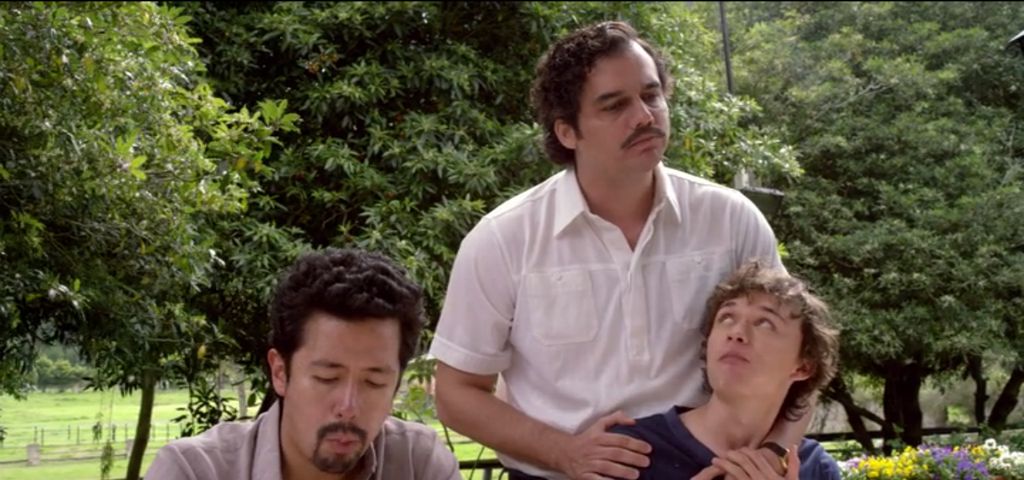
It’s true. I spend every scene in which Wagner Moura plays Escobar studying his mouth imagining how he can pronounce Spanish the way he does.
His dialogue is rehearsed (not in a good way) and his tongue gets in the way of the true Paisa pronunciation, but on the other hand, he’s a hell of an actor and plays him really well. As well as Andrés Parra? Mmmm…as always, it’s a matter of taste.
Why is the accent thing so important? The Guardian quoted Orlando González, from Bogotá, who said “It’s like having someone with a strong southern American accent play Sherlock Holmes.”
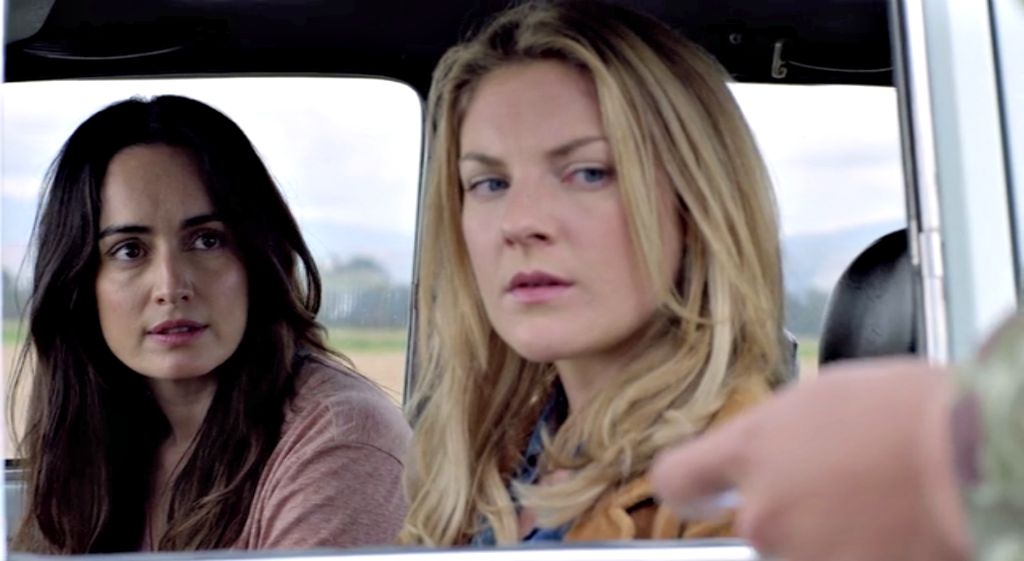
On the other hand, the characters are Hollywoodized. They’re gorgeous; they have great bodies (especially the women).
Understand: that’s not a complaint, I rather like it. If someone were to make a movie about my life, I’d choose a high-profile beautiful actress to play me. I mean, Frida Kahlo was no Selma Hayek, right?
Since the story is from DEA Agent Steve Murphy’s point of view, it leads to the U.S. being much more involved in the actual representation of the action. It’s full of shooting scenes, bombs, sicarios, and other things that, as The Guardian said, we- as Colombians- are tired of.

My Epiphany
I kept asking myself: what is the point? Why make a show that has already been done?
Well, to be fair, it hasn’t been done like this. The perspectives are different, the actors are different, but most importantly, I realized, the audience is different.
While the novela made in Colombia got great ratings in all of Latin America, bumping other TV series from their usual prime-time spots, the audience was mainly Latin American. That’s not the case for Narcos. This is an original Netflix series which hits all the spots that make a good, addictive show for people outside of Colombia.
There is violence, sex, and drugs. Check, check, check. AND there’s history that backs up the premise and a lot of the details It is the vice of every tranquil American dad, or mom after a long day and why?
Because it’s incredibly exciting!
This is something others haven’t seen a million times like Colombians have. This is something new! For me, the novelty lies only in Agent Murphy’s story, and that intertwines so much with what I’ve already heard that it gets tiresome.
I am watching Narcos for curiosity, but not as a vice, like everyone around me. I understand why it’s interesting to others, and for me it is entertaining at the time, but it certainly isn’t something I long for when I finish my day.
I encourage people to learn about Colombian history and our deep wound with drug wars, because then they’ll understand why we’re so impatient to show something different; we want to feel empowered, not defined by something that happened decades ago.
I will finish watching Narcos eventually, but I will also insist to everyone I meet that my being Colombian doesn’t mean that I have great stories to tell. I was born the year Pablo Escobar died. Every year of my life counts as a year that Colombia has tried to get past the blood shed for his objectives.
I applaud the great work done on the show, the history represented, the acting, the beautiful views of Colombia, the way as a viewer, you sympathize with Colombia of the 80s.
I am interested in what they’re going to do for the second season, which they signed up for in early September.
However, closing in on the 22nd anniversary of Pablo Escobar’s death, I’m ready for a new representation of Colombia.